




Corporate Sound Healing: A Wellbeing Experience People Remember
"After more than 100 corporate sound healing events, we have seen how a shared sound experience can become a memorable part of employee wellbeing programmes: it gives a room full of busy people permission to pause together, without another task to complete or result to achieve."
Why are companies considering sound healing for employee wellbeing?

The pace of working life has changed significantly. Hybrid teams, constant notifications, back-to-back meetings and long projects place sustained demands on attention. Conventional benefits and team activities remain valuable, but many companies are also looking for experiences that create a genuine pause during the working day.
Sound healing offers a different kind of shared experience. Employees are not asked to compete, speak publicly, master a technique or disclose anything personal. They can simply listen. This makes the format accessible to people with different roles, personalities and expectations.
Sound healing can be a valuable part of a broader approach to employee wellbeing. It does not depend on dramatic promises or identical outcomes. What it can offer is a protected interval of listening, slowing down and resting without having to achieve anything.
What can sound healing offer employees and teams?

A shared pause without forced interaction.
The team participates together, yet each person can experience the session privately. Nobody is required to discuss feelings or reveal more than they wish to.
A genuine transition in the day.
Placed between meetings, presentations or programme blocks, a sound session can help people leave one pace behind before moving into the next part of the day.
An inclusive experience.
No previous experience, musical ability or particular belief system is required. The format can be offered seated or lying down and adapted to different venues.
A memorable expression of care.
A protected period of time makes wellbeing visible and directly experienced. Employees notice when space has genuinely been created for them to pause.
A format that can scale.
Sound healing can work for a small leadership group, a department, a conference audience or a large company event when the experience is designed for that setting.
Where sound healing fits into a corporate wellbeing programme

A wellbeing or health day.
A 30- to 60-minute session can form one clear, experiential part of a wider programme.
A conference reset.
A focused 20- to 30-minute experience between presentations can give the audience a sensory and mental break before the programme continues.
A team-building or off-site programme.
A longer session can be combined with an interactive introduction to selected instruments, movement, body awareness or voice.
A regular wellbeing series.
Monthly or quarterly sessions can become a familiar point of pause rather than a one-off novelty.
A leadership or creative team session.
A smaller group can combine deep rest with time for curiosity, questions and hands-on exploration of sound.
What can employees expect from a corporate sound healing session?

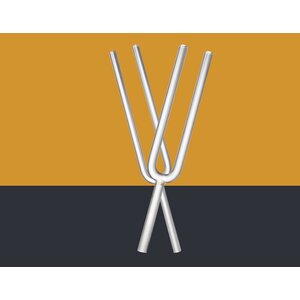
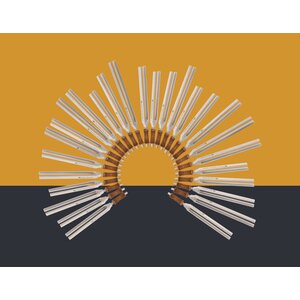
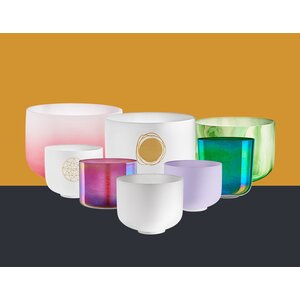
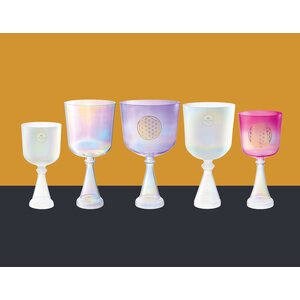
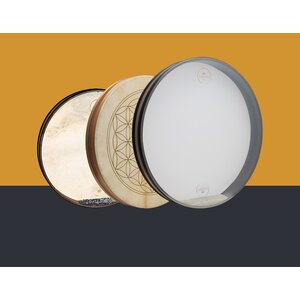
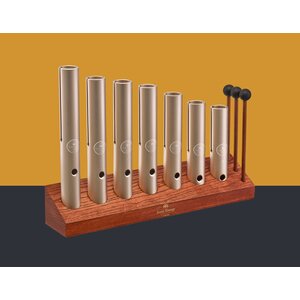
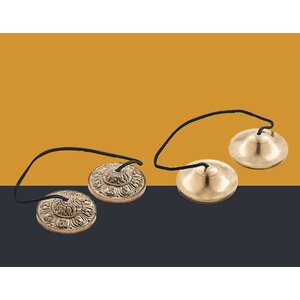
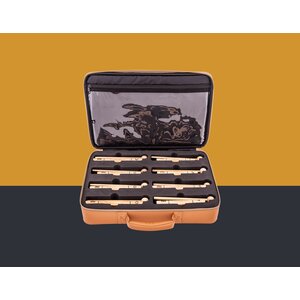
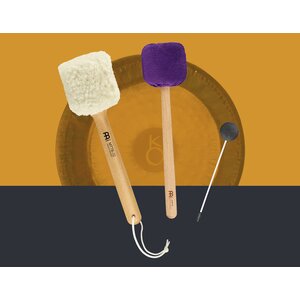
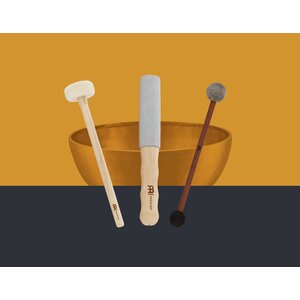
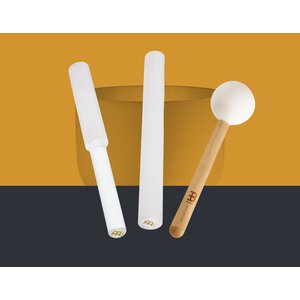
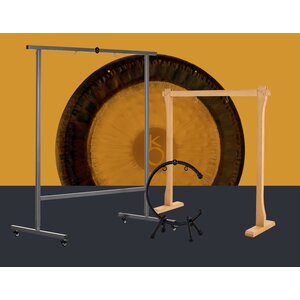
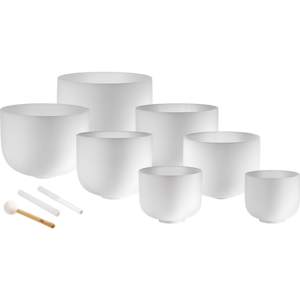
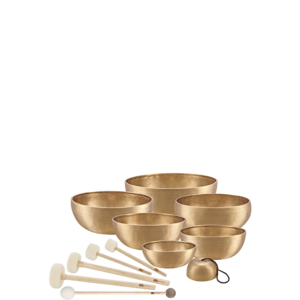
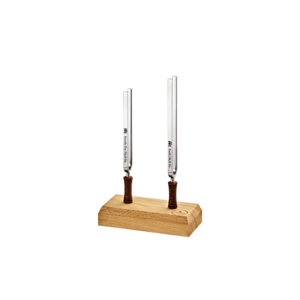
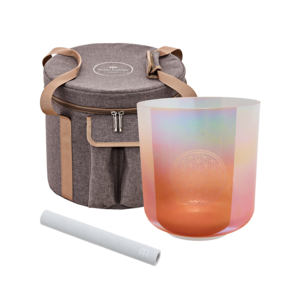
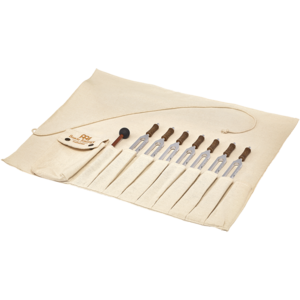
A corporate sound healing session uses sustained tones, resonance and vibration from instruments such as gongs, singing bowls, crystal singing bowls, chimes, tuning forks, frame drums and voice. Depending on the event, participants may remain seated or lie on mats and simply listen for approximately 20 to 60 minutes.
The session begins with a brief introduction so that everyone knows what will happen and how long it will last. Participation remains voluntary, and nobody is expected to close their eyes, fall asleep or respond in a particular way.
The practical design is the facilitator's responsibility. The company only needs to share the size of the group, the type of event, the venue, the available time and what it would like the session to offer. Sound levels, instrument placement and the overall format are then adapted to the room and the audience.
What we have observed after more than 100 corporate sound healing events
Every team is different, but certain patterns have appeared repeatedly in our work with companies, conferences, wellbeing days and off-site programmes.
People rarely arrive relaxed.
They often enter the room directly from a meeting, still thinking about an unfinished email or the next item on the agenda. The first few minutes may include movement, quiet laughter or difficulty settling. This is an honest picture of the pace from which people are trying to transition.
The change is often subtle, but visible.
As the session develops, the room usually becomes more still. Breathing slows, shoulders release and the need to react to every sound gradually disappears. Afterwards, participants often take more time before standing up, and the first conversations tend to be quieter than those before the session.
There is no single correct response.
Some participants fall asleep, some remain fully alert, some notice vibration in the body and others simply appreciate a period without conversation or a screen. The value lies partly in allowing each person to experience the session privately while still being part of a shared event.
Scepticism is not a problem.
Corporate groups naturally include people with very different expectations. Even someone who arrives unsure can simply listen and form their own opinion without having to perform or master a technique.
Shared silence can be unexpectedly connecting.
Most team activities rely on conversation, competition or outward interaction. During a sound session, colleagues, managers and leaders share the same space without roles to play. The experience is collective, but it does not force intimacy.
What participants tell us when we return

One of the most interesting parts of corporate sound healing becomes visible only much later. Companies often invite us back roughly a year after the first visit, usually for another health day, wellbeing programme or team-building event. We may arrive expecting to begin again, only to discover that people still remember the previous session in surprising detail.
Participants tell us what they felt while listening, what happened in their lives afterwards and, sometimes, what they believe changed for them. Some of these accounts are powerful and deeply personal. We receive them with gratitude and discretion rather than trying to interpret the experience on the person's behalf.
Perhaps the pattern that has surprised us most is how often these conversations are initiated by men. They come to us wanting to understand why they felt what they felt and how the experience may have continued to influence them. This does not mean that men respond more strongly than women. What stands out is their willingness to return to an inward experience, sometimes a full year later, and ask for a language with which to understand it.
Why scale matters - but does not limit the experience

With a small team, it is possible to create an intimate arrangement and include time for questions or an interactive element. Employees can explore a singing bowl, gong or tuning fork themselves, and the group can build a simple shared soundscape. This works particularly well when the aim includes collaboration and curiosity as well as rest.
A large conference audience does not need to imitate a studio sound bath in order to have a meaningful experience. Guests can remain seated, and the session can be shaped around the room, acoustics and programme. When we work as a duo, selected instruments can also move between participants, creating a more immersive experience than sound coming only from the stage.
For the company, this adaptability is important: the format can support a small team, groups taking part throughout a health day or an audience of more than a hundred people. The starting point is the purpose of the event, not a fixed template.
The instruments employees remember long after the session

One of the questions we hear most often after a corporate session is: What was that instrument? The sounds people remember are not always the loudest ones. They are often the sounds that create an immediate image, feel unexpectedly familiar or seem unlike anything participants have heard before.
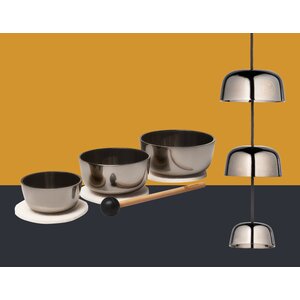
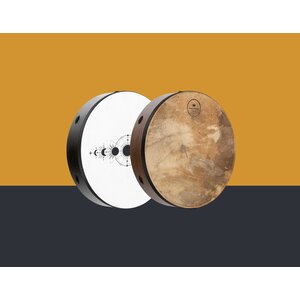
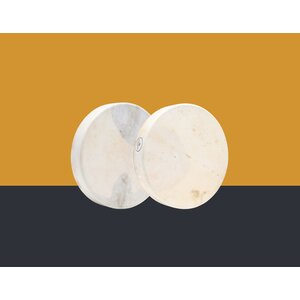
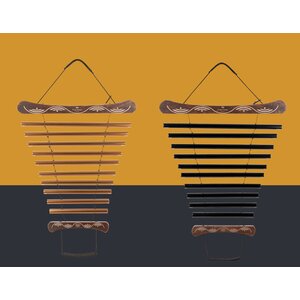
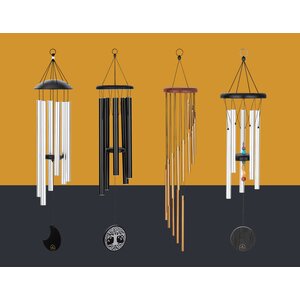
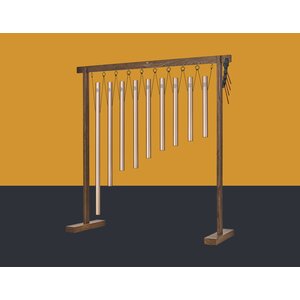
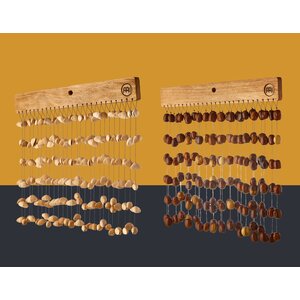
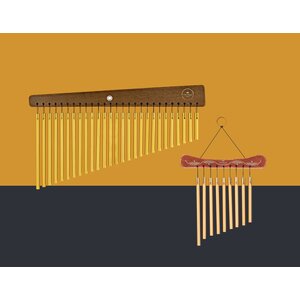
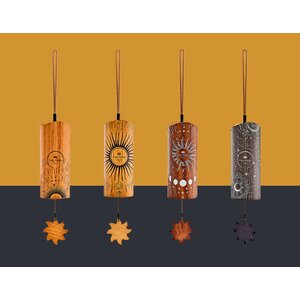
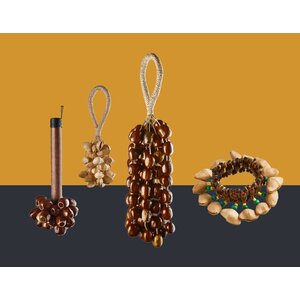
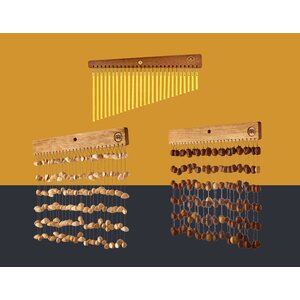
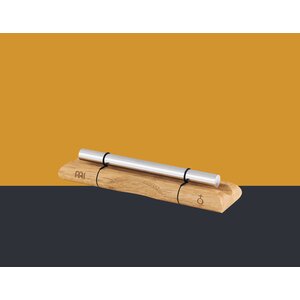
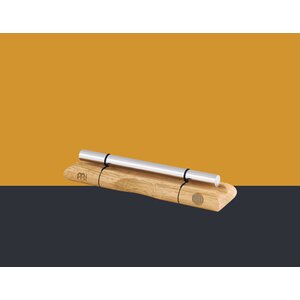
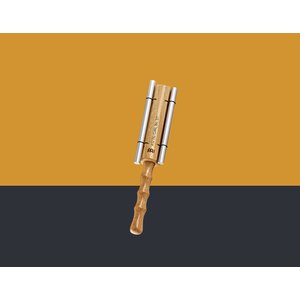
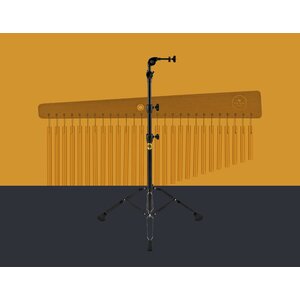
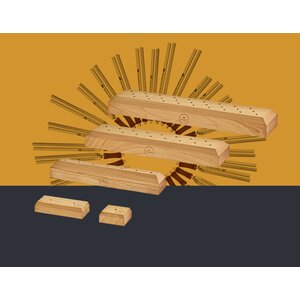
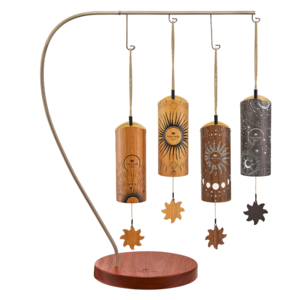
Wave Drums and Rain Disks are frequent favourites because their moving, water-like sound is both recognisable and surprising. Participants are curious about how the effect is created and often want to see the instrument up close. All kinds of chimes are memorable as well, particularly the organic textures of Bendo and Kenari Chimes.
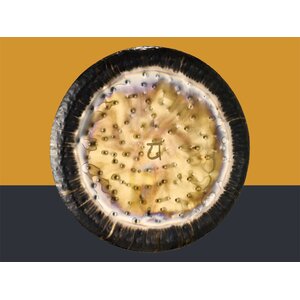
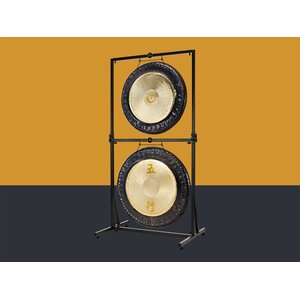
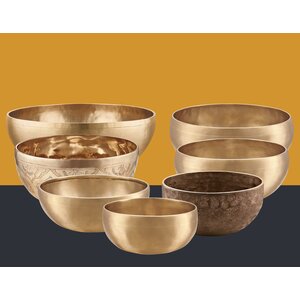
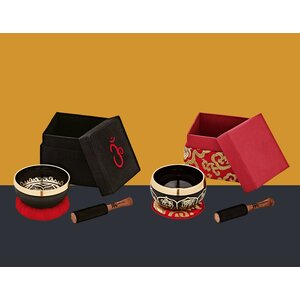
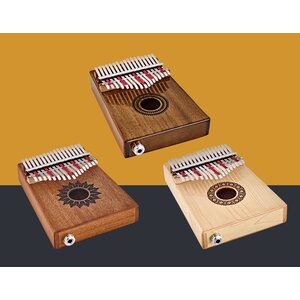
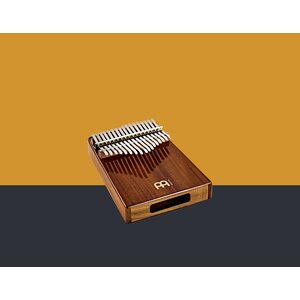
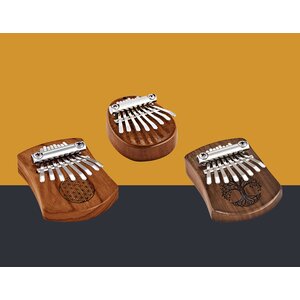
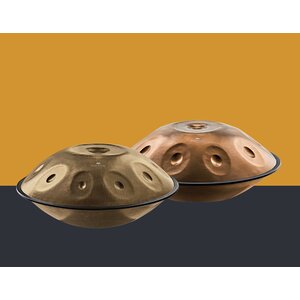
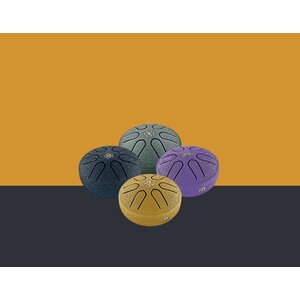
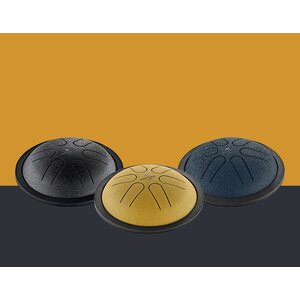
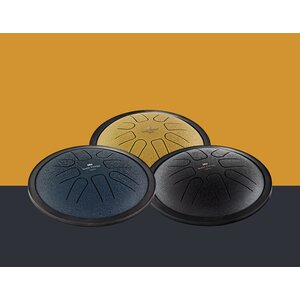
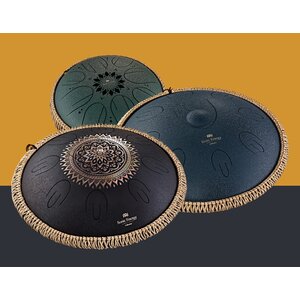
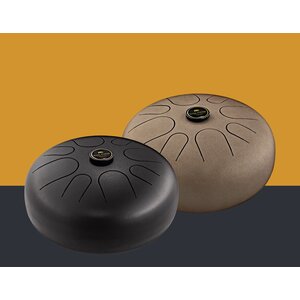
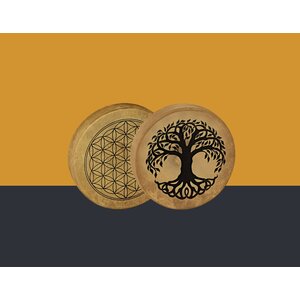
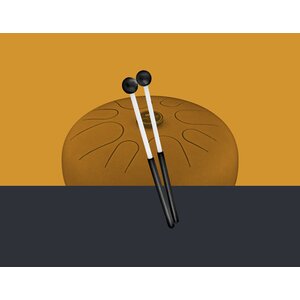
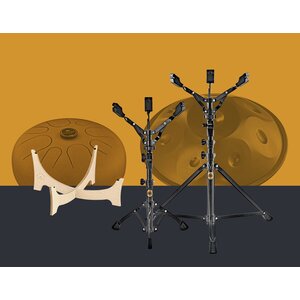
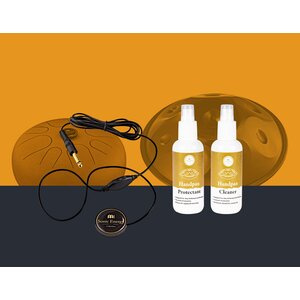
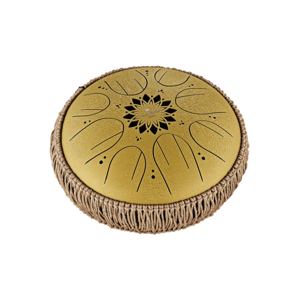
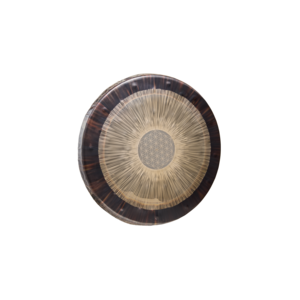
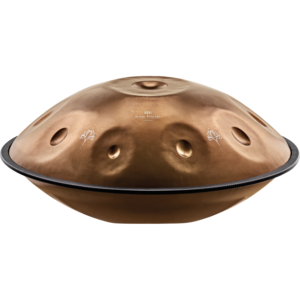
Steel Tongue Drums and handpans attract attention for a different reason: their melodic sound feels approachable, and people frequently ask whether they can try them. Singing bowls and gongs, of course, remain central. Participants remember not only their tone, but also the physical presence of their resonance in the room.
This curiosity is valuable for companies, too. It often extends the conversation after the session and can open the door to an interactive format in which employees learn about selected instruments and try them for themselves.
Two experiences participants chose to share
Because many people in the corporate world are encountering this form of relaxation and sound experience for the first time, their responses can feel especially striking. Occasionally, participants share moments that stay with us long after the event.
An unexpected smartwatch reading
At the end of one corporate sound healing session, a participant looked at her smartwatch and saw a result she had never seen before: the device had categorised 18 minutes as deep rest - not sleep. She was surprised and delighted, and allowed us to photograph the display. For her, the reading captured just how deeply she had relaxed during a relatively short session.
A participant's account of long-standing shoulder pain
During a large sound experience for a state-owned corporation, a woman arrived with shoulder pain that had persisted for several months. She had been attending rehabilitation, but the pain remained. During the session she felt pronounced warmth in the painful area. Immediately afterwards, she told us that the pain was significantly lower. Later that evening, she told us that it had disappeared completely. She sought us out again to let us know that it had not returned.
Both experiences reminded us how quickly a stressed body can respond when it is given the conditions to slow down. Deep relaxation supported by sound frequencies and vibration can help release accumulated tension and support the body's natural capacity for rest and recovery - sometimes within a surprisingly short time.
A pause people remember

Across our corporate sound healing work, some of the most meaningful feedback we hear is also the simplest: participants had not realised how much they needed to stop. The ability to create one genuinely protected pause can already be valuable.
Sound healing gives colleagues a way to experience stillness together without turning it into another task. Perhaps that is why people can remember a session in surprising detail - and still want to talk about it when we return a year later.

About Lucia ANd Martin
Lucia Nosko leads Sound Healing Slovakia together with her husband Martin Nosko. They are Meinl Sonic Energy Ambassadors and have facilitated more than 100 corporate sound healing events, including team wellbeing sessions, conferences, interactive workshops and off-site programmes.


